Food Safety
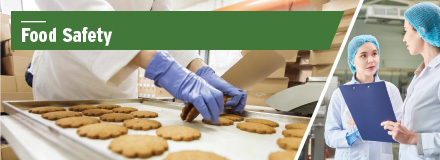
Food safety is a responsibility shared by everyone - including food producers, processors, transporters, retailers and food service providers. That responsibility extends right into the home kitchen.
The production and processing of food is regulated by provincial and federal governments. The Regulating Food section identifies applicable legislation and describes the Federal and Provincial inspection programs.
Traceability explains how to build systems that can track any problems right back to the source for quick, efficient action.
The Education and Resources section offers a variety of information about food safety practices for food processing establishments.
What's New
- What to Expect During a Routine Inspection (PDF 602 KB)
- Provincial Abattoir Handbook
- Sustainable Agricultural Partnership Program (SCAP) - Food Safety Funding for Food Processors