Hantavirus Infection
Hantaviruses are viruses that are found in the urine, droppings and saliva of rodents, most commonly the deer mouse. People may be infected by coming into contact with these. They may also catch the infection after being bitten by an infected rodent. Hantavirus infection in North America is a rare but serious illness. It is caused by a specific strain, the Sin Nombre virus. Infection can result in Hantavirus Pulmonary Syndrome (HPS), which begins with a flu-like illness that gets worse, sometimes very quickly. This ultimately makes one have difficulty breathing and can be fatal.
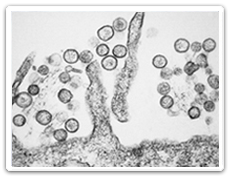
Image Content Provider: CDC/DPDx - Melanie Moser
On This Page:
- 2026 Outbreak of Hantavirus, Andes Strain
- Symptoms
- Causes
- Treatment
- Prevention
- Media Bulletins
- Manitoba Health Resources
2026 Outbreak of Hantavirus, Andes Strain
An outbreak of hantavirus cases linked to a cruise ship departing from Argentina was identified in May 2026 and caused by the Andes virus, a type of hantavirus that is normally found in South America. The Andes virus is the only type of hantavirus species that is known to have spread person-to-person, usually limited to people who have prolonged close contact with a person with symptoms.
The Andes virus is not found in North America rodents. Hantavirus in North America is caused by the Sin Nombre virus and is not known to spread by person-to-person contact. Hantavirus is spread by infected rodents through their urine, feces, and saliva.
No cases or contacts from the Andes virus outbreak have been identified in Manitoba. The overall risk to the general population in Canada from the Andes hantavirus outbreak remains low. More information is available at https://www.canada.ca/en/public-health/services/diseases/hantaviruses.html.
For Health Care Providers:
In healthcare settings, anyone with suspected or confirmed hantavirus infection who has an epidemiologic link to this outbreak through travel (on a flight with a confirmed case or direct contact with a case), or has been exposed to rodents in South America, should be assessed using airborne, contact and droplet precautions, in addition to routine precautions. Contact public health for further guidance.
For hantavirus infections acquired from rodent exposure in North America, application of routine practices is sufficient for infection prevention and control management.

Symptoms
Symptoms of HPS generally appear between 3 days to 6 weeks after exposure to the virus. Typical symptoms are similar to the flu. These symptoms can include fever, headache, nausea, vomiting, muscle aches, diarrhea, abdominal pain and shortness of breath. Symptoms generally start mild but may progressively get worse. Infection without symptoms is rare.
Causes
The most common host of the hantavirus is the deer mouse. Other rodent species have also been shown to be infected. The deer mouse can be found primarily in rural and semi-rural areas. They can also reside in urban centres. They often invade homes and old buildings, especially in the fall.
Hantavirus infection usually spreads to people when they come into contact with the droppings, urine or saliva of infected rodents. This also happens when people breathe in virus particles that get into the air when the droppings, urine or nesting materials are moved.
Hantavirus rarely spreads from person to person. This has never been documented in Manitoba. The Andes virus species of hantavirus is native to South America, and is the only hantavirus species known to cause limited person-to-person spread. The Andes virus is not found in North American rodents.
Treatment
There is currently no cure for HPS. However, early detection and medical care is extremely important. This is because 30—40% of HPS cases result in death, usually within a few days after the initial symptoms appear. Those who are infected with HPS may be given medication for fever and pain, as well as oxygen therapy.
Prevention
The best way to minimize your risk of acquiring HPS is to ensure rodent control in and around the home. You should also treat all rodent droppings as potentially harmful. Avoid all contact with rodents and learn how to clean up rodent droppings safely. For more information, please review the links below.
Media Bulletins
- Province provides hantavirus update - June 2, 2026
Manitoba Health Resources
For the Public
For Health Care Providers
- Update on international Ebola disease and hantavirus outbreaks

(May 2026) - Communicable Disease Management Protocol
Other Resources
Communicable Disease Control (CDC)
Public Health
Manitoba Health
4th Floor - 300 Carlton St.
Winnipeg MB R3B 3M9 CANADA
Health Links – Info Santé
204-788-8200 or 1-888-315-9257