
Transitioning Through School
We all have transitions in our lives. Children move from grade to grade, from teacher to teacher and from elementary school to middle school to high school. Moving from childhood to adolescence to adulthood is marked by growing independence, developing self-awareness, and increasing circles of friends and personal supports.
My child will be attending a new school - how can I ease the transition? + −
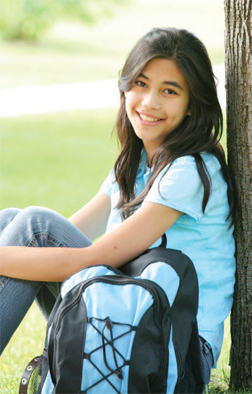
Students change schools for many reasons. School transitions may occur when students move from early years to middle years to senior years. Transitions also occur when students and their families move to a new community. When students move from one school to another, it can be an exciting time for them and their parents. They may look forward to new challenges, a new setting, and making new friends. It can also be a time of uncertainty.
As your child leaves one school and moves to another, both schools will usually work together to develop a transition plan. Part of the plan to ease your child’s transition to a new school may involve you and your child meeting with the new school’s principal, classroom teachers and resource teacher. This will help you and your child understand the changes that will take place and how your child will be supported in their new setting. Be a part of this process and the meetings that take place. Make sure that your child participates whenever possible.
In general, to create a smooth transition for your child you can:
- Listen to your child's concerns about the change – Children respond to change in different ways. Some children may be excited about the new experiences the school may bring. Other children may feel anxious. The way that children respond may depend on many different factors, including their age, previous school experience and how familiar they are with the new school. If your child has concerns, give him or her the opportunity to discuss them with you. Having a list of your child's questions and concerns can help you, and the school staff, find answers for your child.
- Learn about the new school – There is often information online that can familiarize your child with the upcoming school experience. Although each school website varies, there may be information on topics such as the school’s extracurricular programs, major events and classroom newsletters that describe the learning activities. If the school does not have a detailed website, they may provide some information by mail. As already mentioned, it may be beneficial to visit the school in advance to become more familiar with the space and the school team.
- Ask about programs for new students – Some schools have a buddy program for new students to help them get to know the school and other students.
- Talk with your child about his or her unique needs – Discuss whether your child would like his classmates to have specific information about him. Your child may want to share information with the class or prefer that you or the teacher start a discussion. The information that is shared can help other students increase their awareness. For example, for a child who is blind, it may be helpful for classmates to let him or her know when they are leaving after a conversation and to keep pathways clear of objects. The decision for children to share information about themselves, or not, is their individual choice.
- Keep other parts of your child’s life constant as much as possible – Look for activities or routines that can remain constant in your child’s life. Routines can include regular visits to the library on Mondays, a walk to the park on Thursdays, a family movie night on Fridays and visiting a relative on Sundays.
- Encourage staying in touch with friends from the former school and neighbourhood – There are now many different ways to stay in touch – visiting for a weekend, texting, writing letters, talking on the phone, sending emails and video messaging. Providing opportunities for your child to communicate with the friends from their old school will help to ease the transition.
How can I help my child make the transition from high school to adult life? + −

As children progress through school, increasing attention is evoted to helping them develop independence and prepare for life after their formal schooling is completed.
You can support your child by helping them develop:
- decision-making skills
- problem-solving skills
- positive self-esteem
- social skills
- resilience
As students enter high school, they must begin to plan for their options in life when they leave school.
What is involved in the transition process? + −
Transition planning should begin in the school year in which the student enters high school. The process concludes in June of the calendar year in which the student turns 21, or when he or she graduates. During this time the student, the student’s support network, educators and others work together to provide the student with a co‑ordinated transition from school to life in the community.
The goal of transition planning is to help students and their families
- think about their goals and needs after school
- learn about adult services that may be available to help them
- begin to develop new relationships with appropriate adult programs that may also become involved in planning
- develop educational plans that will best help them to reach their goals after leaving school

A transition protocol has been developed that identifies who is responsible for developing and implementing transition plans for students with exceptional learning needs when they require government supports to enter the community. It outlines the tasks, and their timelines, of transition planning partners. Transition planning partners will include:
- the student
- the student's parents
- school staff
- adult service workers
- community agency staff
For more information
- Guidelines for Early Childhood Transition to School for Children with Special Needs (2002) is available on the Healthy Child Manitoba website
- Working Together: A Handbook for Parents of Children with Special Needs in School is available on the Manitoba Education and Advanced Learning website
- Bridging to Adulthood: A Protocol for Transitioning Students with Exceptional Needs from School to Community (2008) is available on the Healthy Child Manitoba website
