Human Rights and Reasonable Accommodations
Printable PDF version

The Human Rights Code is Manitoba's provincial human rights law. It protects individuals and groups in Manitoba from discrimination and is administered by the Manitoba Human Rights Commission.
Who is protected from discrimination? + −
The Human Rights Code offers protection from unreasonable discrimination that is based on the following characteristics:
- ancestry, including colour and perceived race
- nationality or national origin
- ethnic background or origin
- religion or creed, or religious belief, religious association or religious activity
- age
- sex , including sex-determined characteristics or circumstances, such as pregnancy, the possibility of pregnancy, or circumstances related to pregnancy
- gender identity
- sexual orientation
- marital or family status
- source of income
- political belief, political association or political activity
- physical or mental disability or related characteristics or circumstances, including reliance on a service animal, a wheelchair, or any other remedial appliance or device
- social disadvantage
The Human Rights Code provides protection from unreasonable discrimination in areas such as employment, housing, and services available for the public.
Gender Identity is a person's internal, individual experience of gender.
What is discrimination? + −
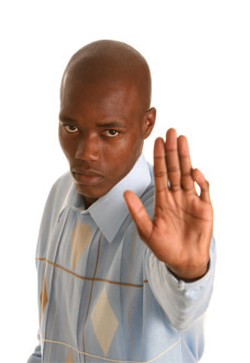
There are three kinds of discrimination under The Human Rights Code:
- Differential Treatment – when an individual is treated differently based on generalizations about a group to which they belong or are thought to belong, rather than on their individual merit.
- Failure to Provide Reasonable Accommodations – when a person, such as an employer, landlord or service provider does not provide an accommodation that allows for equality of opportunity. Please see the question below on reasonable accommodations.
- Harassment – includes a series of abusive and unwelcome behaviours or comments. These actions are directed towards people because of a group to which they belong or appear to belong.
In what areas is there protection from discrimination? + −
Under The Human Rights Code, people with disabilities are protected from discrimination across many activities:
- any aspect of employment
- services available to the public or section of the public
- contracts
- rental units
- purchase of real property (residential or commercial)
- signs, symbols, notices or statements (for example, a job advertisement that states, no young people need apply)
Discrimination results in a person receiving unreasonable and unequal treatment because they belong (or are thought to belong) to a certain group.
What do I do if I am experiencing discrimination? + −
The Manitoba Human Rights Commission is the agency that administers The Human Rights Code. The commission is authorized to mediate and investigate complaints of discrimination and refer matters to adjudication when it has been determined there is enough evidence. Its role includes promoting human rights and educating the public.
Manitoba Human Rights Commission
Phone: 204-945-3007 (Winnipeg)
Toll free: 1-888-884-8681
Website: www.manitobahumanrights.ca/
Adjudication is an independent public hearing that determines if there has been a contravention of The Human Rights Code.
What is reasonable accommodation? + −
The Manitoba Human Rights Commission describes reasonable accommodation as changes to how something is typically done to meet a special need of a person. This need must be based on a characteristic that is protected by the code, such as religion, ethnic background and disability. These changes are often simple and inexpensive. Examples of accommodation for people with disabilities:
At a Rented Apartment or House
- installing a flashing light fire alarm and door buzzer in the apartment of a tenant who is deaf
- using a brighter light at the entrance of an apartment for a tenant with low vision
- posting a "No Idling" sign by the building entrance and air intake vent for a tenant with a respiratory condition (breathing difficulties) and using a high quality air filter
At School
- allowing a student with a mobility disability to leave class early to switch books between classes and pack up for the end of the day
- limiting distractions for a student who has Attention Deficit Disorder
- providing a schedule of upcoming events and changes in routine for a student who experiences anxiety
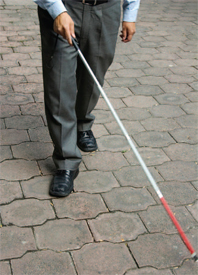
At Work
- creating a procedural checklist for an employee with an intellectual disability
- providing a quiet work space for an employee who is hard of hearing
- providing a screen magnifier and glare guard for an employee with vision loss
At a Business
- ensuring pathways are free of obstacles for a customer with low vision or a mobility disability
- getting items from top shelves for a person who has limited upper body movement
- reading out information from an application form for an individual with a learning disability
By working through a process to provide accommodations for one individual, organizations can increase their understanding of how to create accessibility for all clients and employees.
Accommodations can result in people with disabilities enjoying greater equality of opportunity and an increased level of participation.
How are accommodations determined? + −

Accommodations are based on individual need. Two people with the same disability may experience the disability in a different way. To find out what accommodation is needed and what would be most suitable, business owners, landlords, employers, teachers and others who provide accommodations can ask the individual who has requested the accommodation.
If you need a change at your workplace, school, a business or rental unit, speak to the individuals who are responsible for providing the accommodation. Talk about the barriers. Suggest accommodations that will eliminate or reduce the barriers.
An accommodation is reasonable when:
- there is an adequate process used to decide on the type, degree and possibility of accommodation
- the effort and actions taken by the responsible party are sufficient
When requesting an accommodation, follow these steps outlined by the Manitoba Human Rights Commission:
- Explain your needs – When requesting accommodations, let the individual know about the situation and the needs you have as a result.
- Be willing to provide reasonable proof of the special need, which is based on a protected characteristic where reasonable to do so and requested. Provide a note from the doctor, therapist, worker or other individual who can provide verification.
- Suggest accommodations – Each person's situation is different and the types of accommodations that may be suitable vary from person to person. When suggesting accommodations, try to balance your needs with the needs of the person responsible for providing the accommodation.
- Follow through with the accommodations you agree to – It is important that both parties show a willingness to work together once an accommodation has been reached.